What Makes Some Bumper Scratches Harder to Repair?
August 6, 2026
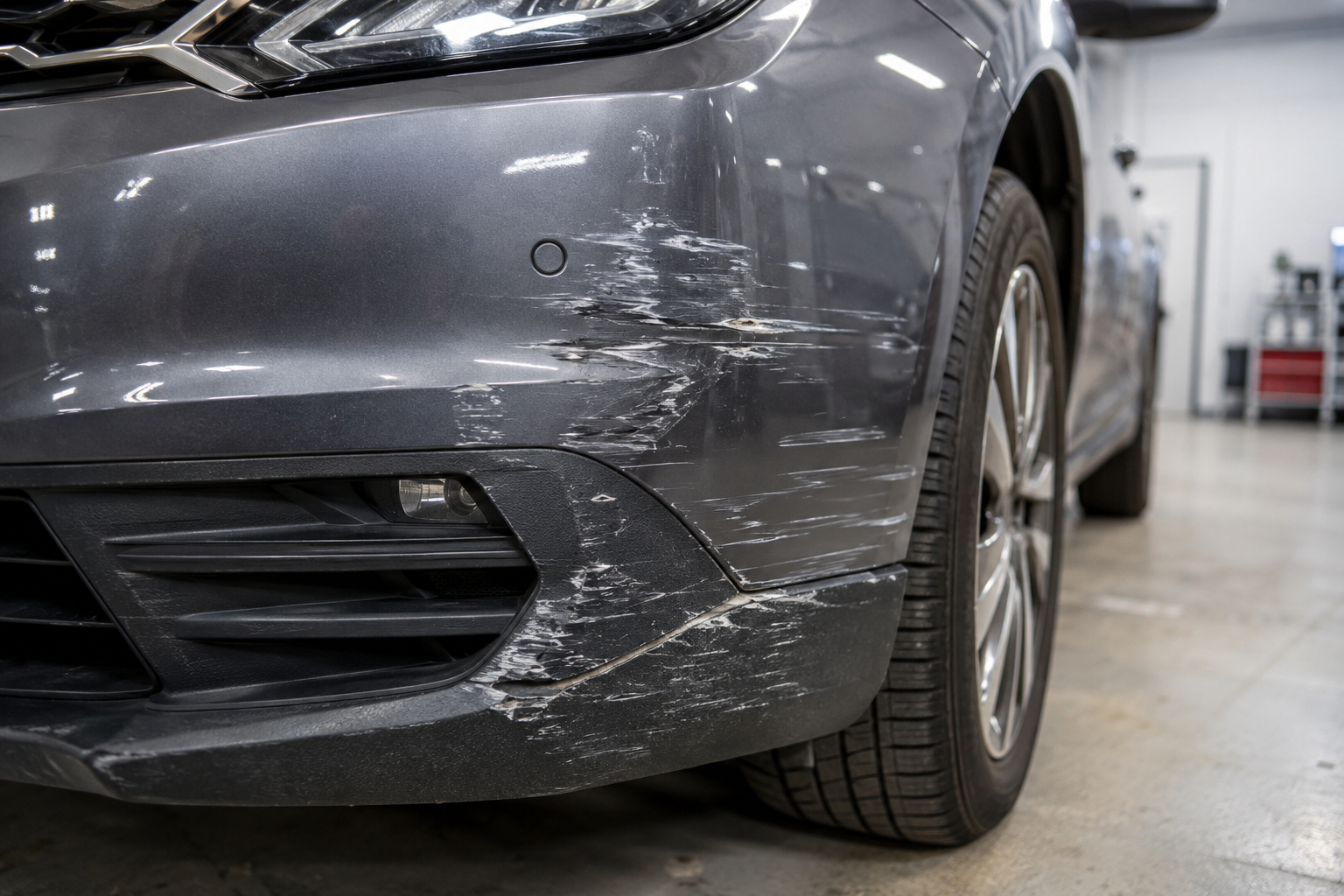
Bumper scratches are one of the most common types of vehicle damage. Parking lot contact, road debris, shopping carts, and low-speed impacts can all leave visible marks across the front or rear bumper. Some scratches appear minor and can be repaired relatively quickly, while others become far more difficult and expensive to fix properly.
Many drivers in Rock Hill, South Carolina assume all bumper scratches involve the same repair process. In reality, repair difficulty depends on several factors, including scratch depth, bumper material, paint type, and the location of the damage.
What looks like a simple cosmetic issue on the surface may actually involve deeper structural or paint damage underneath. Understanding what complicates bumper scratch repairs can help vehicle owners understand why pricing and repair methods vary from one situation to another.
Scratch Depth Changes the Entire Repair Process
The depth of the scratch is often the biggest factor determining repair difficulty.
Some scratches affect only the clear coat, while others cut through multiple protective layers.
Surface-Level Scratches Are Usually Simpler
Light scratches that only affect the outer clear coat are generally easier to correct.
In many cases, technicians can improve these scratches through:
- Polishing
- Buffing
- Paint correction
- Surface refinishing
Because the underlying paint remains intact, these repairs often require less labor and fewer materials.
Deep Scratches Require More Refinishing Work
Once a scratch reaches the paint, primer, or bumper material itself, the repair process becomes more involved.
Technicians may need to:
- Sand the damaged area
- Smooth uneven surfaces
- Apply filler if necessary
- Prime the bumper
- Repaint the section
- Blend surrounding paint
- Apply clear coat protection
The deeper the scratch extends, the more preparation work the repair usually requires.
Bumper Material Affects Repair Difficulty
Modern bumpers are often made from flexible plastic materials rather than metal. While this helps absorb impact during minor collisions, it also changes how scratches and paint damage must be repaired.
Flexible Surfaces Require Specialized Repair Methods
Plastic bumpers expand and flex differently compared to metal panels.
This creates additional challenges because repairs must withstand:
- Temperature changes
- Vehicle vibration
- Minor flex movement
- Road impact stress
Certain repair products and paint systems work better on flexible materials than others.
Some Bumpers Develop Gouges Instead of Scratches
Not all bumper damage stays limited to paint.
Deeper impacts may create:
| Damage Type | Why It Increases Repair Difficulty |
|---|---|
| Gouges | Material must be reshaped or filled |
| Surface tearing | Plastic repair may be necessary |
| Cracks | Structural reinforcement may be needed |
| Dents | Heat reshaping may be required |
| Paint separation | Wider refinishing area may be needed |
These problems usually require more labor compared to repairing a light surface scratch.
Paint Matching Can Make Repairs More Complex
One reason bumper scratches become difficult to repair is because matching modern automotive paint is not always straightforward.
Even when using the correct factory paint code, slight variations can still appear under different lighting conditions.
Certain Paint Finishes Require More Blending
Some paint systems are far more difficult to match cleanly.
Common examples include:
- Metallic paint
- Pearl finishes
- Matte coatings
- Tri-coat paint systems
- Custom colors
Reflective particles inside metallic and pearl finishes can change appearance depending on sunlight angle and viewing position.
Vehicles exposed to long-term sunlight in Rock Hill may also develop paint fading that makes color matching more difficult.
Adjacent Panels Sometimes Need Additional Work
A bumper repair may extend beyond the visible scratch itself.
To create a smoother color transition, technicians sometimes blend paint into nearby areas such as:
- Fenders
- Quarter panels
- Trunk edges
- Headlight surrounds
This additional refinishing work helps prevent noticeable color differences after repairs are completed.
The Scratch Location Can Increase Labor Time
Some bumper scratches are easier to access and repair cleanly than others.
Location affects both visibility and the amount of preparation required before painting begins.
High-Visibility Areas Require Cleaner Finishes
Scratches near the center of the bumper or around body lines are often more noticeable after repairs if blending is not done properly.
These areas usually require more careful refinishing because uneven texture or slight color variation becomes easier to spot.
Curved and Textured Areas Create Extra Challenges
Certain bumper sections are harder to repair because of their shape or surface texture.
Technicians may need additional time when scratches appear near:
- Parking sensors
- Fog light openings
- Textured trim
- Sharp body contours
- Grilles and inserts
Restoring factory texture consistently across curved surfaces can increase repair complexity significantly.
Delaying Repairs Can Make Damage Worse
Minor bumper scratches often become more difficult to repair when left untreated for too long.
Exposure to weather, moisture, and road debris may gradually worsen the damaged area.
Paint Edges Can Begin Peeling
Once the protective paint surface weakens, surrounding paint may start lifting or chipping away.
This can happen because of:
- Heat exposure
- Moisture intrusion
- Pressure washing
- Road debris impact
- Repeated surface flexing
The repair area may eventually become much larger than the original scratch itself.
Surface Damage May Spread Over Time
Deep scratches exposing the underlying bumper material can allow contaminants to settle into the damaged section.
Over time, this may create:
- Discoloration
- Staining
- Additional paint separation
- Surface deterioration
Early repairs are often simpler because technicians can address the problem before the surrounding finish weakens further.
Cheap Repairs Can Lead to Visible Problems Later
Choosing the cheapest repair option does not always produce the best long-term result.
Poor preparation or low-quality refinishing work may create noticeable defects after the repair is completed.
Common Problems Linked to Low-Quality Repairs
Improper bumper repairs may result in:
- Uneven paint texture
- Visible color mismatch
- Peeling clear coat
- Sanding marks
- Overspray on trim pieces
- Weak paint adhesion
Because bumpers are highly visible areas of the vehicle, imperfections often stand out more easily under sunlight.
Frequently Asked Questions About Bumper Scratch Repairs
Can all bumper scratches be repaired?
Many can be repaired successfully, but deeper gouges or cracked bumpers may require more extensive restoration work.
Why do some bumper scratches cost more to fix?
Repair costs increase when scratches involve deeper layers, difficult paint matching, or structural bumper damage.
Can paintless dent repair fix bumper scratches?
No. Paintless dent repair addresses dents, not damaged paint surfaces or gouges.
Do plastic bumpers require special paint?
Yes. Flexible bumper materials usually require specific primers and paint products designed for plastic surfaces.
Should bumper scratches be repaired quickly?
In most cases, yes. Delaying repairs can allow paint damage and surface deterioration to spread further.
Conclusion
Some bumper scratches are harder to repair because the damage extends beyond the surface paint or involves difficult paint matching, flexible bumper materials, or high-visibility repair areas. What initially appears to be a small cosmetic issue may eventually require more extensive refinishing if the damage worsens over time.
For drivers in Rock Hill, South Carolina, addressing bumper scratches early can help prevent larger paint and surface repair costs later. Mobile Brewer provides bumper repair and cosmetic refinishing services for vehicle owners dealing with scratches, paint damage, and minor body imperfections throughout the area.
You might also like