What Happens During Auto Detailing to Protect Your Vehicle?
October 22, 2026
Quick Answer:
Professional
auto detailing protects your vehicle through four stages: exterior wash and decontamination, paint correction and protection, interior deep cleaning, and a final inspection with protective sealant. Together, these steps guard against UV damage, grime, and premature wear.
Key Takeaways
- Decontamination removes embedded debris before polishing to avoid scratching
- Paint correction and sealant protect the finish for weeks after service
- Interior deep cleaning removes allergens and prevents material wear
- Detailing every three to six months preserves both appearance and resale value
Auto detailing is often mistaken for an especially thorough car wash, but the process goes much further than that. A proper detail is designed to protect your vehicle's paint, interior materials, and overall value, not just make it look good for a weekend. Understanding what actually happens during a detailing appointment in Rock Hill, SC helps explain why it's worth doing regularly rather than only before a big event or a sale.
Detailing addresses both the exterior and interior of a vehicle in stages, each aimed at removing contaminants before they cause lasting damage. Dirt, road grime, UV rays, and spilled substances all wear down a vehicle's finish and materials over time, and a full detail interrupts that wear cycle. Technicians serving Rock Hill, SC typically follow a structured process to make sure nothing gets missed along the way.
It's also worth noting that detailing works best as part of an ongoing routine rather than a one-time event. A vehicle that receives regular detailing tends to age more slowly, both in appearance and in the condition of the materials underneath the surface. Waiting too long between details often means more correction is needed each time, since grime and UV damage compound the longer they're left untreated. Building detailing into a seasonal schedule, similar to an oil change, helps keep a vehicle looking its best year-round for drivers in Rock Hill, SC.
The Auto Detailing Process, Step by Step
While the exact steps can vary slightly depending on the vehicle's condition, most professional detailing appointments follow this general order.
Step 1: Exterior Wash and Decontamination
The process begins with a thorough wash to remove loose dirt, followed by a decontamination step that lifts embedded contaminants like tree sap, tar, and industrial fallout from the paint surface. This step is essential because contaminants left behind can scratch the paint during later polishing stages.
Technicians typically use a clay bar or chemical decontamination treatment during this stage, which removes particles that a standard wash can't lift on its own. Running a hand over freshly washed paint often reveals a rough, gritty texture that isn't visible to the eye, and that texture is exactly what this step is designed to eliminate.
Step 2: Paint Correction and Protection
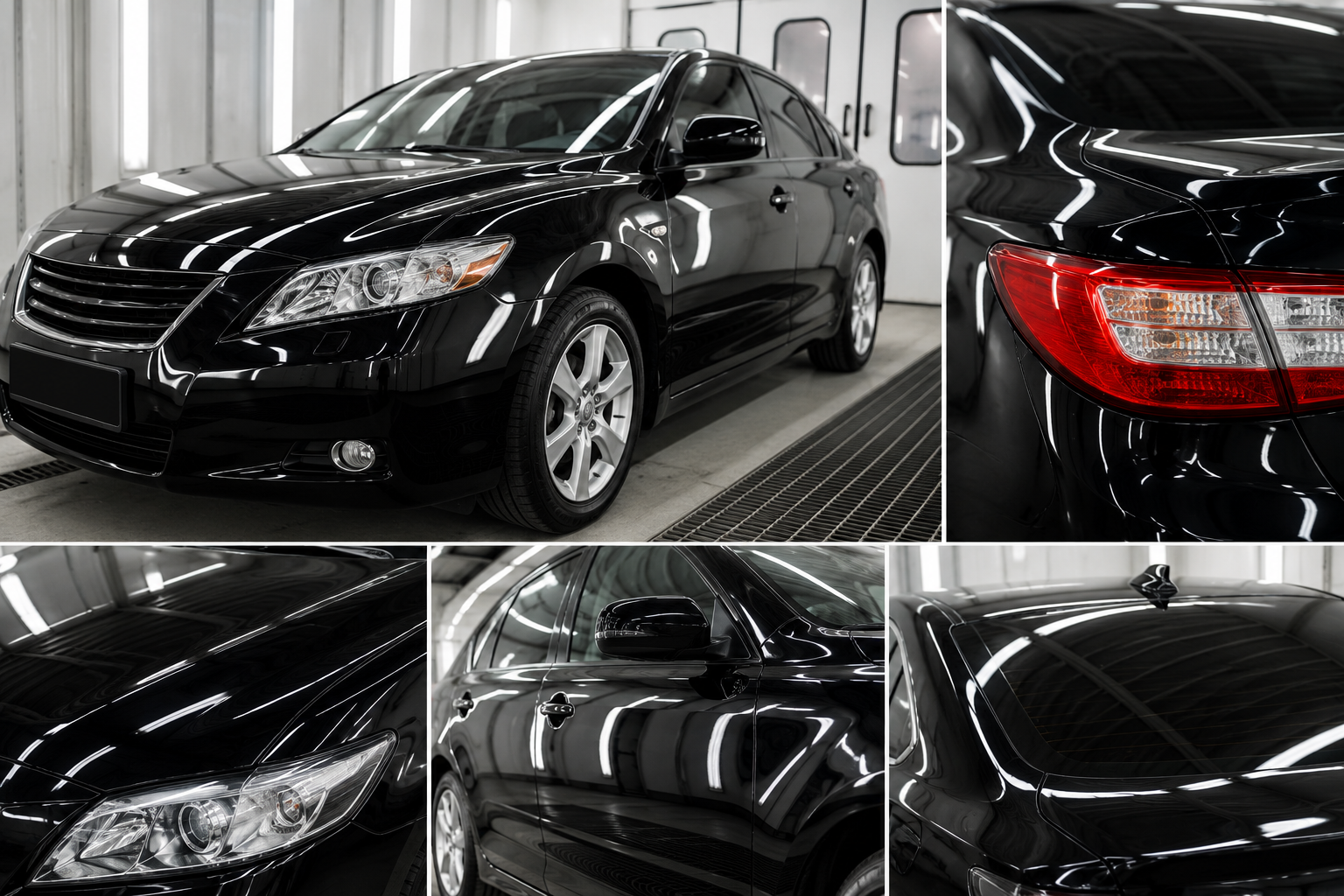
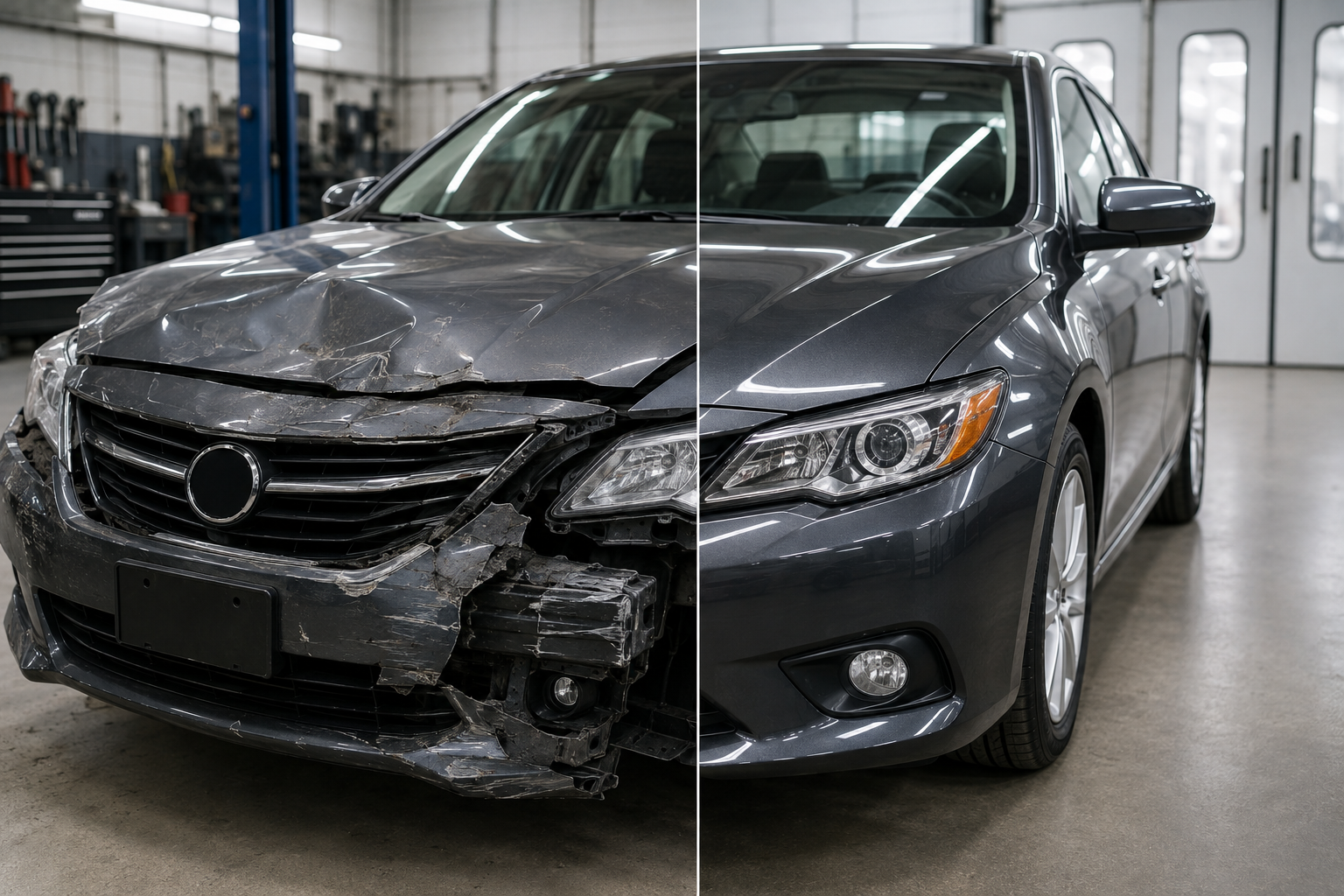
Once the surface is clean, technicians address swirl marks, light scratches, and oxidation through polishing, then apply a protective layer such as wax or sealant. This stage is what gives a freshly detailed vehicle its noticeably deeper shine, and it also creates a barrier against sun exposure and road grime for weeks afterward.
The level of correction needed depends on how the vehicle has been maintained and how much sun exposure it's had over time. A vehicle that's been kept garaged typically requires lighter correction than one that's spent years parked outdoors, where oxidation and fading tend to be more pronounced.
Choosing the right protective product matters just as much as the polishing itself. A quality sealant or ceramic-style coating can extend the time between details by making it harder for grime and contaminants to bond to the surface in the first place, which means less aggressive correction is needed the next time around.
Step 3: Interior Deep Cleaning
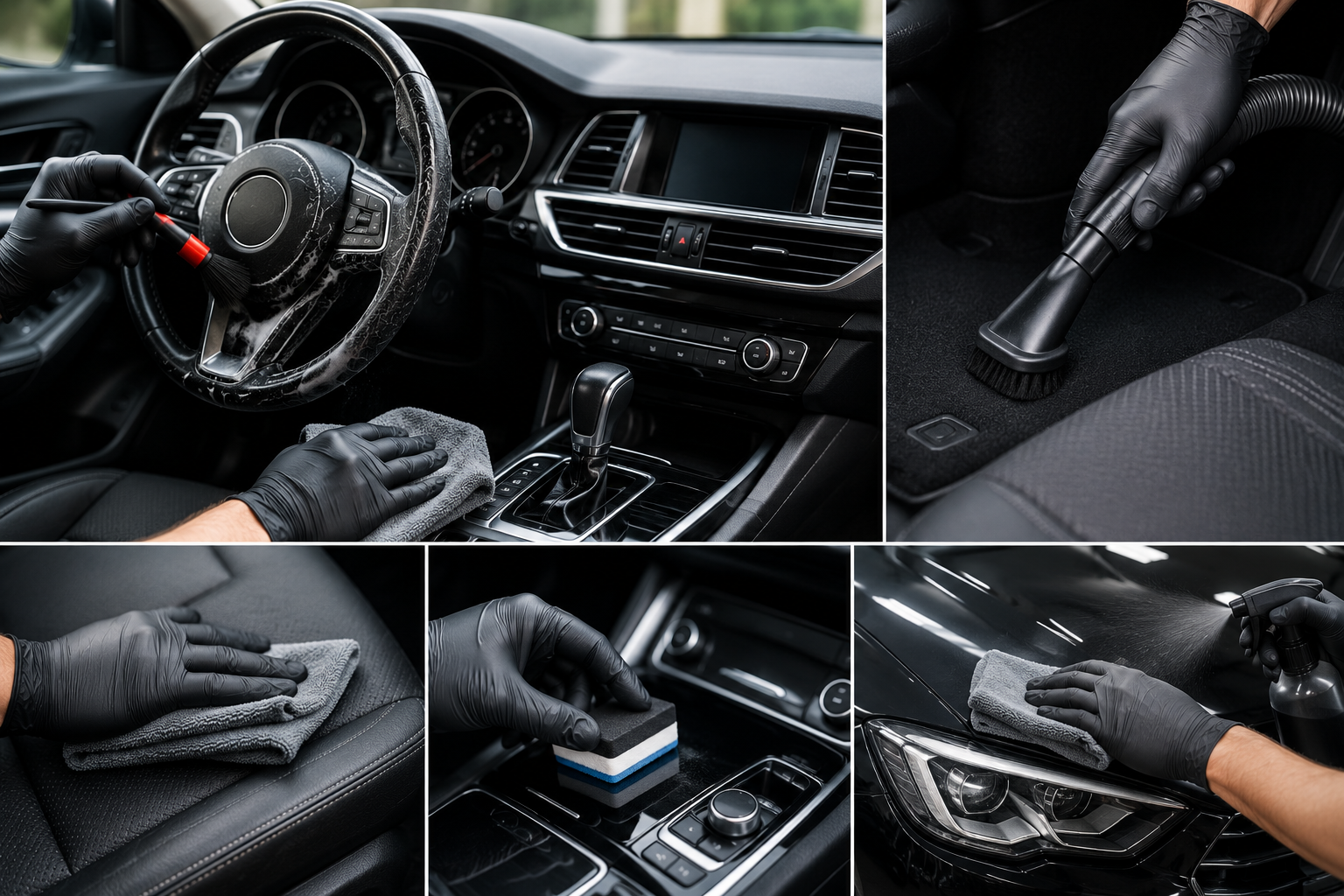
Interior detailing covers seats, carpets, door panels, and dashboards, using specific products suited to each material. Vacuuming, steam cleaning, and conditioning leather or fabric help remove trapped dirt and allergens while preventing premature wear on interior surfaces, which matters for both comfort and long-term resale condition.
Special attention is often given to high-touch areas like the steering wheel, door handles, and center console, since these surfaces accumulate oils and grime faster than the rest of the cabin. Vents and crevices are also cleaned carefully, since dust buildup in these areas is one of the most common sources of a stale-smelling interior.
For vehicles with fabric seats, extraction cleaning goes a step further than surface vacuuming by pulling embedded dirt and odor-causing residue out of the fibers themselves. This deeper approach makes a noticeable difference in both the look and smell of the interior, especially in vehicles that see frequent daily use.
Step 4: Final Inspection and Protective Sealant
Before wrapping up, technicians do a final walkthrough of the vehicle, checking for any spots that need touching up and applying finishing protectants to trim, tires, and glass. For vehicles in Rock Hill, SC, this final protective layer is especially useful given the area's humidity and pollen, both of which accelerate the buildup of grime between details.
This last step also includes a glass cleaning pass, both inside and out, since streaks and residue are often overlooked until they catch direct sunlight while driving. A careful final check ensures the vehicle looks and feels complete rather than just clean on the surface.
Each of these stages builds on the one before it, which is why skipping steps or rushing through a detail rarely produces lasting results. A wash without decontamination leaves the paint vulnerable to scratching during polishing, and polishing without a protective sealant leaves the surface exposed to the elements almost immediately. Following the full process in order is what allows a detail to genuinely protect a vehicle rather than simply making it look good for a day or two before grime starts building back up.
Vehicles that go through this full process regularly tend to hold their value and appearance noticeably better over time compared to those that only receive an occasional basic wash. The cumulative effect of consistent protection, rather than any single appointment, is really what makes detailing worthwhile as an ongoing part of vehicle care.
Frequently Asked Questions
How often should I get my vehicle detailed?
Most vehicles benefit from a full detail every three to six months, though heavier use or exposure to the elements may call for more frequent service. Vehicles driven daily or parked outdoors year-round often benefit from leaning toward the more frequent end of that range.
Does detailing remove small scratches from the paint?
Light surface scratches and swirl marks can often be improved or removed during paint correction, though deeper scratches may require touch-up paint work. A technician can typically tell during inspection which category a given scratch falls into.
Is detailing safe for leather seats?
Yes, detailing products are chosen based on material type, and leather receives specific cleaning and conditioning treatments to prevent cracking or drying. Conditioning also helps leather resist fading from ongoing sun exposure through the windows.
Can detailing help before selling my vehicle?
Absolutely. A detailed vehicle presents better to buyers and often supports a stronger asking price by improving both appearance and perceived condition. First impressions matter enormously in private sales and trade-in evaluations alike.
How long does a full detail take?
A complete interior and exterior detail typically takes several hours, depending on the vehicle's size and current condition. Vehicles that haven't been detailed in a long time may require additional time for correction work.
Conclusion
Auto detailing is about more than appearance. It's a protective process that guards your paint, interior, and overall vehicle value against everyday wear.
Mobile Brewer brings this full detailing process directly to you, saving time while delivering results that last. Reach out to
Mobile Brewer to schedule your next detailing appointment.
You might also like