How Mobile Headlight Restoration Improves Night Visibility
February 8, 2026
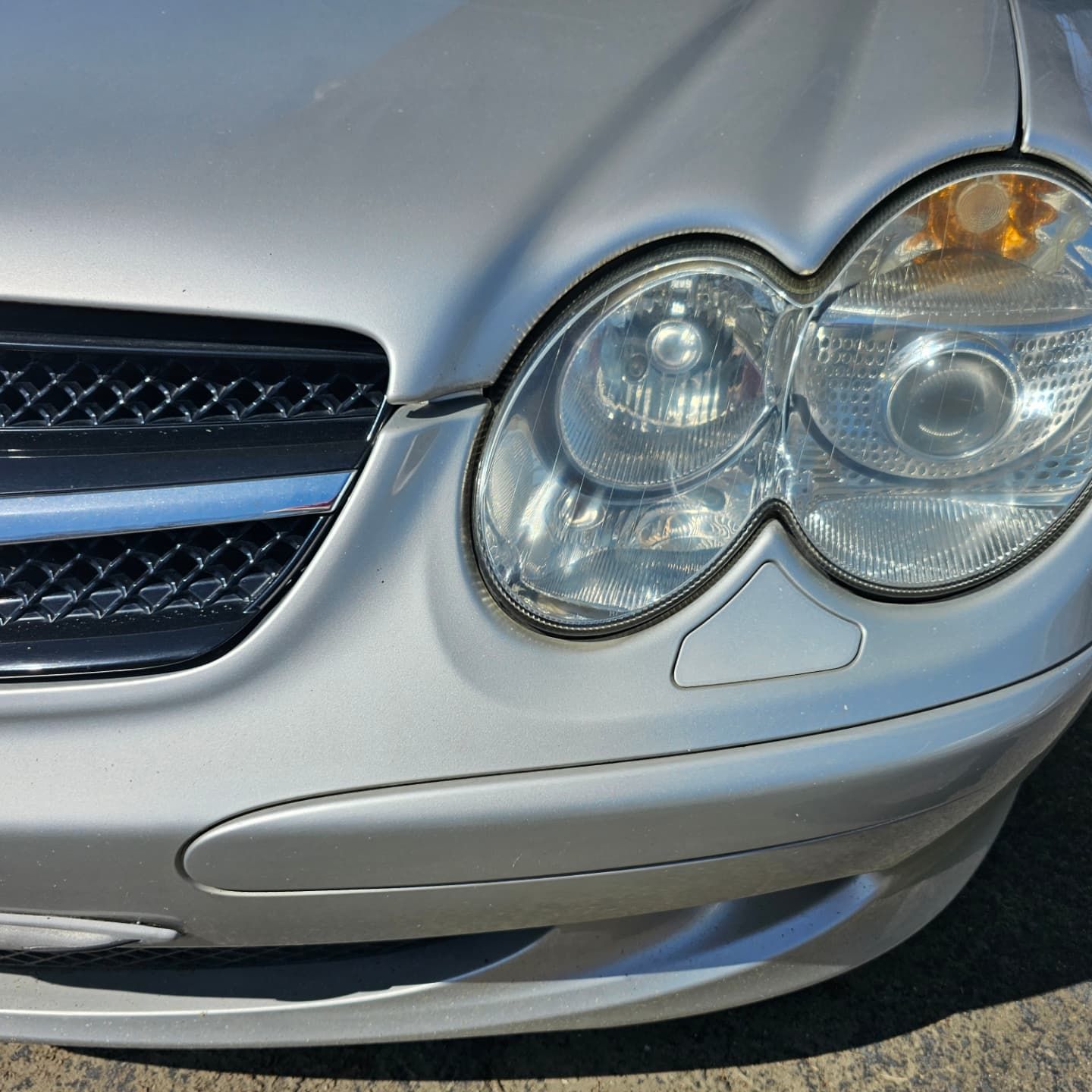
Most drivers first notice declining night visibility gradually — distant road markings look softer, reflective signs lose their sharp glow, and the area directly in front of the vehicle appears dimmer than it used to. It isn’t usually the bulb that changes — it’s the headlight lens becoming hazy and scattering the light instead of projecting it forward. This issue is especially noticeable on dim residential streets and two-lane roads around Rock Hill, South Carolina, where lighting conditions vary from one area to another.
Once lenses oxidize, the light beam loses direction and contrast. Restoring clarity doesn’t simply make the headlights “look clearer” — it changes how light behaves on the road and how confidently a driver can see at night.
How Cloudy Headlights Affect What You See on the Road
This part focuses on the optical change itself rather than the cosmetic one, because the visibility problem comes from how light exits the lens — not just how it looks from the outside.
When headlights become yellowed or foggy, the lens no longer acts like a clear window. Instead, it diffuses the beam, causing light to scatter outward. Less light reaches the pavement ahead, and more of it reflects back into a hazy glow in front of the vehicle. The result is a shorter, weaker illumination zone and reduced contrast, especially on dark asphalt.
Drivers in Rock Hill, South Carolina often feel this most during late-evening drives or early-morning commutes when street lighting is inconsistent between neighborhoods and open stretches of road.
Visibility Problems Drivers Commonly Notice Before Restoration
Before any work is done, the symptoms of poor night lighting tend to show up in specific ways. These aren’t cosmetic issues — they’re practical signs that visibility is being reduced.
Here is the context behind the most common ones:
The Road Ahead Appears Dim Even With Good Bulbs
The lights still turn on normally, but the illuminated area feels shallow and weak. This happens because the beam no longer travels forward in a direct path — it is being softened by lens haze.
Reflective Signs and Lane Markings Look Blurry
Instead of producing a sharp reflective response, signs and paint lines appear faint or dull. Scattered light fails to return a bright visual response to the driver.
Short-Range Light Feels Bright, But Distance Vision Doesn’t Improve
The glow in front of the car looks strong, yet objects farther ahead remain hard to see. That glow is misplaced light reflecting inside the haze instead of projecting outward.
These conditions gradually reduce reaction time — especially on roads outside well-lit city centers.
How Restoration Changes Night Visibility in Practical Driving Terms
Rather than focusing on appearance, restoration improves function by reshaping how the beam leaves the lens. Once oxidation is removed and the surface is corrected, the light path becomes more direct and concentrated.
Here’s what drivers typically experience afterward — described in terms of real road behavior instead of technical wording:
- The beam reaches farther ahead — giving more time to identify curves, intersections, or obstacles.
- Lane edges and road shoulders become easier to distinguish — useful on darker residential roads around Rock Hill.
- Side-area visibility improves — helping with peripheral awareness near driveways, cross streets, or unlit turns.
- Glare haze disappears — replacing the fog-like glow with a clearer, controlled beam pattern.
The improvement is less about brightness and more about recovering clarity and forward projection.
Why Mobile Headlight Restoration Works Well for Everyday Drivers
Instead of approaching this as a cosmetic upgrade, mobile restoration is valuable because it allows the headlights to be corrected where the vehicle already sits — which matters for busy households, commuters, and work vehicles.
Before looking at outcomes, here is the reasoning behind why mobile service is often chosen:
- Night-driving problems can be addressed sooner
Drivers don’t delay the repair because they don’t need to schedule a shop drop-off. - Both headlights are corrected together
Balanced restoration ensures even light distribution instead of one lens being clearer than the other. - The protective coating is applied immediately after correction
This helps the lens resist new oxidation and keeps visibility improvements lasting longer. - Vehicles used daily in Rock Hill stay in service
Drivers avoid downtime while still recovering safer night visibility.
The benefit isn’t only convenience — it reduces the time spent driving with limited night lighting.
Road Conditions in Rock Hill Where Restoration Makes a Noticeable Difference
Instead of a general comparison, the table below reflects situations South Carolina drivers actually encounter and how restored clarity affects what they see.
| Driving Condition | Visibility Change After Restoration |
|---|---|
| Neighborhood streets with few streetlights | Road edges and lane lines appear sharper |
| Two-lane roads outside town | Far-distance road projection improves |
| Wet pavement at night | Less glare bounce and better contrast |
| Approaching intersections | Signs and reflective markers become clearer |
| Curved or sloped roads | Seat cushion layers |
These scenarios are common in and around Rock Hill, South Carolina, where visibility depends heavily on the quality of the headlight lens — not just the bulb strength.
FAQs About Headlight Restoration and Night Vision
- Does restoration make headlights brighter, or just clearer?
It doesn’t change the bulb output — it allows more of the existing light to reach the road, which makes visibility feel significantly stronger. - Is restoration helpful if only one lens is cloudy?
Yes — but restoring both ensures even projection and prevents uneven illumination. - How long do restored headlights typically stay clear?
With a professional protective coating, results last far longer than temporary wipe-on or DIY polishing products. - Is replacement necessary if visibility is poor?
Replacement is only needed if the housing is damaged. In most cases, restoration recovers clarity effectively.
Conclusion
Headlight haze isn’t just a cosmetic issue — it directly affects how clearly the road is illuminated at night. Restoring lens clarity improves beam focus, distance projection, and overall night-driving confidence, especially on roads with mixed lighting conditions around
Rock Hill, South Carolina. For drivers who want those improvements completed conveniently and professionally on-site,
con offers mobile headlight restoration that helps headlights perform closer to their original clarity and function.
You might also like